Table of Contents
- Understanding Collaborative Learning
- The Educator’s Role in Collaborative Learning
- Major Advantages of Collaborative Learning
- Social Advantages
- Psychological Advantages
- Academic Advantages
- Evaluation and Assessment Advantages
- Why Collaboration Matters More Than Competition
- Maximising the Benefits of Collaborative Learning
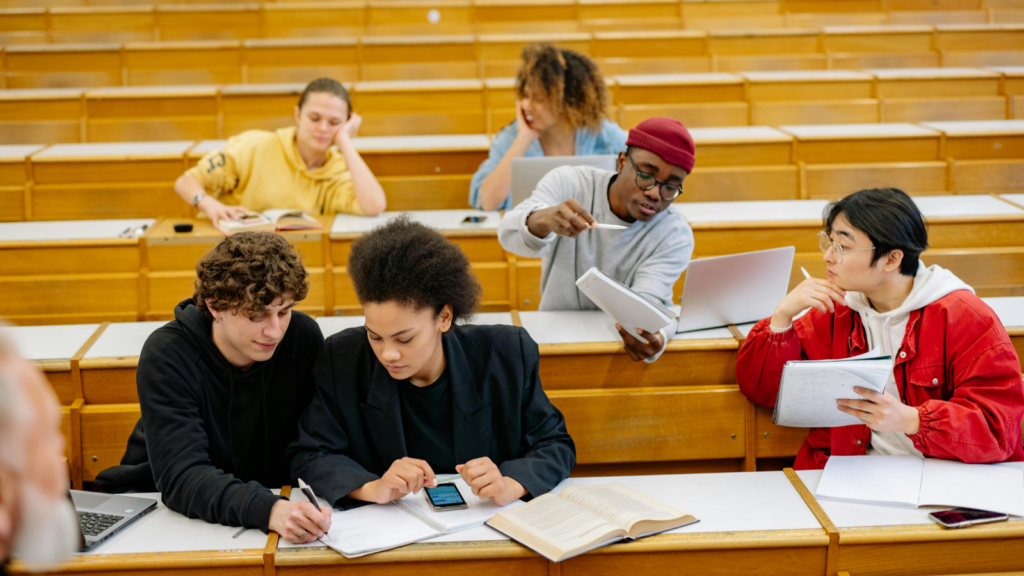
Picture a classroom buzzing with meaningful interaction—students gathered in teams, sharing perspectives, tackling challenges together, and learning through collective effort. In this environment, learning is not a passive process where information is simply delivered and received. Instead, knowledge is developed through conversation, cooperation, and active participation. This is the essence of collaborative learning (CL), an educational approach that transforms learning into a shared and engaging journey.
Let’s take a closer look at collaborative learning and examine how it positively influences social development, psychological well-being, academic achievement, and assessment practices.
Understanding Collaborative Learning
Collaborative learning is built on the principles of interaction, cooperation, and respect among participants. It encourages individuals to work together toward common objectives while recognizing the value of every member’s contribution. Rather than emphasizing competition or isolated achievement, this approach promotes teamwork, shared responsibility, and collective success.
Within a collaborative learning environment, learners:
- Work together cooperatively to accomplish shared educational objectives.
- Participate in healthy competition only when appropriate, ensuring equal opportunities for all learners.
- Complete individual tasks when necessary while remaining mindful of the broader group dynamic.
One of the greatest strengths of collaborative learning is its ability to create resilience among learners. In these settings, students recognize that their personal success is closely linked to the success of their peers. They understand that achieving their own goals becomes easier when the entire group progresses together. This shared sense of accountability motivates learners to contribute toward outcomes that benefit everyone involved.
When individuals work in isolation, challenges can feel overwhelming, often leading to frustration or disengagement. Collaborative groups, however, draw on the collective strengths, experiences, and problem-solving abilities of all members. This teamwork enables students to navigate obstacles more effectively, remain motivated, and continue progressing despite setbacks. As a result, learners move forward together, supported by the strength of the group.
The Educator’s Role in Collaborative Learning
In a collaborative learning environment, teachers move beyond the traditional role of information providers and become facilitators of learning. Their responsibility is to guide, observe, and support students as they engage in shared learning experiences. This shift allows educators to evaluate not only what students know but also how they approach problems, communicate ideas, and interact with others.
By gaining deeper insight into students’ thinking processes and learning preferences, teachers can offer customized guidance, targeted interventions, and meaningful feedback that address individual needs. This personalized approach helps learners overcome obstacles more effectively and maximize their potential.
Collaborative learning also enables educators to provide emotional and social support alongside academic instruction. By fostering a nurturing environment, teachers contribute to the overall development of students and help ensure that every learner receives the encouragement necessary to succeed.
Major Advantages of Collaborative Learning
According to the input provided by the EdTech platform known as Achievable, the impact of collaborative learning extends across multiple areas of student development.
- Creates Strong Support Networks: Collaborative learning fosters environments where students actively assist, encourage, and support one another.
- Promotes Appreciation of Diversity: Learners gain exposure to different viewpoints, experiences, and ideas, enriching their understanding of the world.
- Strengthens Cooperative Skills: Students regularly practice teamwork and learn how to collaborate effectively with others.
- Builds Learning Communities: Collaborative experiences cultivate a sense of belonging, shared purpose, and collective achievement.
- Enhances Confidence and Self-Worth: Learner-centered approaches help students feel respected, capable, and valued.
- Minimizes Stress and Anxiety: Supportive group environments make unfamiliar situations feel less intimidating and more manageable.
- Improves Teacher-Student Connections: Learners often develop more positive perceptions of educators through increased interaction and support.
- Strengthens Critical Thinking Skills: Collaborative discussions and joint problem-solving activities encourage deeper analysis and reasoning.
- Encourages Active Engagement: Students participate more fully in the learning process, resulting in stronger comprehension and retention.
- Boosts Academic Performance: Working together often leads to greater productivity and improved learning outcomes.
- Supports Personalized Learning Experiences: Group-based activities can make large classroom settings feel more interactive and accessible.
- Increases Student Motivation: Collaborative strategies generate enthusiasm, commitment, and sustained interest in learning, particularly in subjects that require focused attention.
- Expands Assessment Methods: Collaborative learning incorporates a variety of evaluation techniques, such as peer assessments, team projects, and group reviews.
- Provides Valuable Feedback Opportunities: Learners receive constructive input from classmates, helping them identify strengths and areas for improvement.
Why Collaboration Matters More Than Competition
In many educational systems, competition often receives greater emphasis than cooperation. However, creating opportunities for collaboration encourages students to develop supportive relationships and positive interactions with others. Through reflection on their own contributions and group experiences, learners come to appreciate the importance of teamwork, mutual respect, and shared success.
Another significant benefit of collaborative learning is the lasting relationships it helps build. Students frequently continue working together beyond the classroom, exchanging ideas, offering assistance, and supporting one another academically and professionally. These connections often extend well beyond their formal education and become valuable networks for future growth.
Maximising the Benefits of Collaborative Learning
Educators play a central role in making collaborative learning successful. By designing purposeful group activities, establishing clear expectations, and guiding interactions, teachers help students develop the skills necessary for effective teamwork. Thoughtful facilitation allows educators to unlock the full value of collaborative learning while promoting both academic achievement and essential social-emotional competencies.
Teacher education programs should be designed to equip educators with the knowledge and practical strategies needed to foster meaningful collaborative learning environments. These programs prepare teachers to create engaging learning experiences that encourage cooperation, critical thinking, teamwork, and mutual respect among students.
Are you ready to enhance your teaching expertise and create more impactful learning experiences? Transform your classroom while helping students thrive academically, socially, and emotionally.