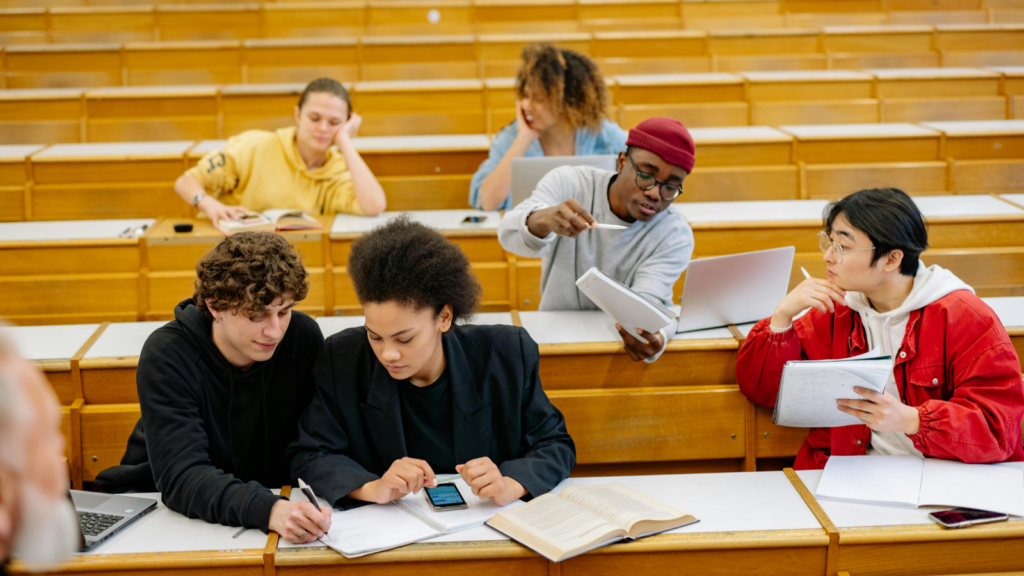
Schools look very different today compared to decades ago; now, textbooks are being replaced by laptops, assignments are submitted online, and students now carry more devices than heavy stacks of paper.
As digital learning continues growing, many parts of the traditional school environment have quietly changed along with it. One thing people rarely talk about is how student lockers have evolved during that shift. Lockers used to exist mainly for storing books and school supplies, but their purpose has gradually expanded as technology changed the way students learn, organize, and move through the school day.
1. Students Now Carry Different Things Than Before
Years ago, students often carried several large textbooks to classes every day, where lockers mainly helped reduce the physical weight students carried throughout school hours.
Now, many schools rely heavily on tablets, laptops, digital assignments, and online learning platforms instead. While students still use notebooks and supplies, their daily school essentials look very different from what they once did.
Instead of holding piles of textbooks alone, lockers now store electronic devices, charging equipment, headphones, sports gear, personal belongings, and sometimes even portable learning tools used for hybrid education environments. This shift may seem small, but it has changed how schools think about storage and student organization overall.
2. Schools are Redesigning Student Lockers
Even with digital learning becoming more common, students still need personal space during the school day. In fact, many teachers and parents argue that organization matters even more now, as students balance both physical and digital responsibilities.
Many schools have started redesigning lockers and storage cabinets to better fit modern student needs, especially as technology devices become part of everyday classroom routines alongside traditional learning materials.
Without organized storage, things can become chaotic very quickly, which is why having a designated place to keep belongings helps students feel more prepared and less distracted during busy school schedules.
3. Digital Learning Has Reduced Physical Clutter
One major advantage of digital learning is that students often carry fewer heavy materials than previous generations. Assignments, notes, research, and classroom resources can now be stored electronically rather than physically.
This has reduced some of the overcrowding that used to happen inside lockers packed tightly with textbooks and paper materials. Basically, the role of lockers has become less about carrying physical weight and more about helping students manage daily organization efficiently.
At the same time, digital learning created new organizational challenges because devices must stay charged, protected, and accessible throughout the day, which means lockers still serve an important purpose even if the contents have changed.
4. Organization is Increasing the Way Students Focus
Technology can improve learning in many ways, but it can also create distractions when students feel disorganized or overwhelmed. Constantly worrying about misplaced devices, dead batteries, or missing supplies adds unnecessary stress during the school day.
Lockers continue to help students create structure in their routines, even in highly digital learning environments. Organized spaces often support better focus, since tudents spend less time dealing with clutter and confusion. This is why this structure still matters, regardless of how advanced classroom technology becomes.
Endnote
Digital learning may have changed what students carry, but it has not removed the need for organization, structure, and personal space during the school day. As schools continue to adapt to modern technology, lockers are evolving alongside these changes, helping students manage both digital tools and daily routines in a more organized and practical way.