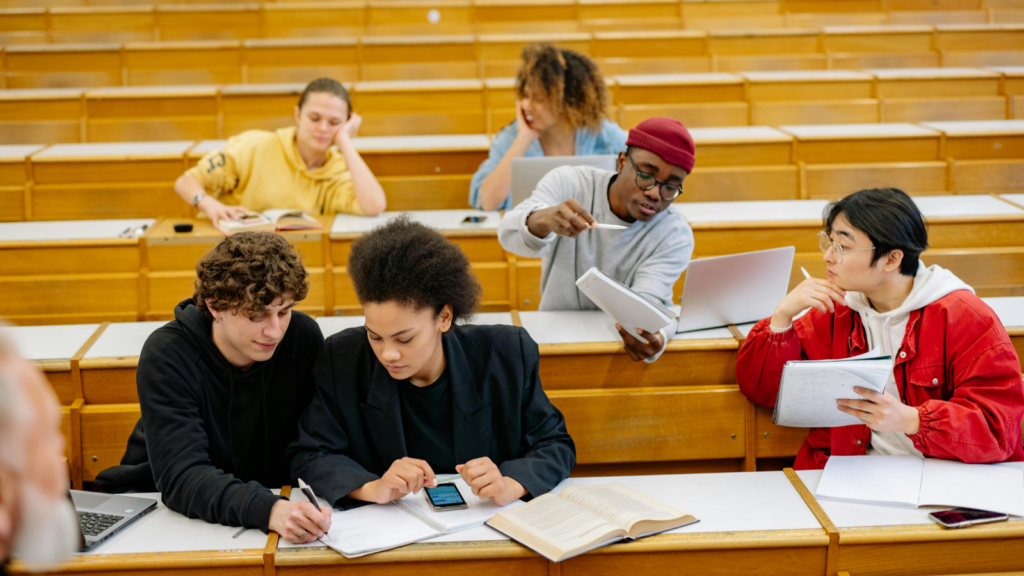
Acknowledge the familiar pain of remote learning. You sit down at your desk with good intentions and a fresh cup of coffee. An hour later, you are staring blankly at a screen, completely distracted by your phone or the sudden urge to clean your room. The isolation of studying at home can feel incredibly heavy. You lack the natural energy of a bustling campus or a busy office.
Many people mistakenly believe that sheer willpower is enough to stay productive at home. We blame ourselves for losing focus, assuming we just need more discipline to get through the syllabus. The truth is, relying on internal motivation alone rarely works for long-term studying. You need external structure to keep you consistently on track.
The power of external accountability is undeniable for personal productivity. According to an Entrepreneur article, individuals are 95% more likely to succeed in their goals when they direct accountability to a third party. Simply knowing someone else is involved in your process changes your brain’s approach to the task.
The Hidden Cost of Studying Alone
Studying in total physical isolation comes with a steep psychological price. The lack of physical campus structure quickly leads to severe digital fatigue. Without the natural rhythms of a classroom to guide your day, you easily fall into frequent task paralysis. You stare at your massive to-do list, feeling entirely unsure of where to begin.
The absence of physical peers makes the daily workload feel twice as heavy. This loneliness is not just a passing feeling you can easily ignore. Research published by the National Institutes of Health (NIH) indicates that online learners suffer significantly more from loneliness than face-to-face students, which is closely tied to academic burnout and the intention to drop out. Physical isolation actively depletes your social resources and daily motivation.
You simply cannot replicate the ambient focus of a university library alone in your bedroom. When the traditional campus library is out of reach, students are turning to digital alternatives to recreate that shared focus. By joining a global community through a live virtual focus room, learners can experience the environmental structure of a physical library right from their desks, curing isolation and boosting productivity. You instantly regain the environmental cues that tell your brain it is time to work.
How Virtual Study Rooms Changed the Remote Learning Game
A virtual study room is a shared, real-time digital workspace accessible from your computer or phone. It perfectly replicates the quiet, focused energy of a physical library. You log into a platform and instantly see a video grid of other people, all quietly working on their own individual tasks. This simple visual concept provides profound results for easily distracted students.
You might wonder exactly how virtual study rooms changed the remote learning game for so many people. They replace solitary struggle with passive, community-driven motivation. You no longer have to rely solely on your own internal drive to open your textbook. Seeing dozens of other people deep in focus creates a contagious atmosphere of productivity.
The global accessibility factor makes these digital rooms incredibly powerful. You do not have to commute, pack a bag, or worry about library operating hours. You can log in at any time of the day or night. You will always find dedicated “FocusBuddies” ready to get to work. You can study alongside peers from around the world, creating a constant, reliable hum of productivity whenever you need it most.
The Science of Focus
Virtual study spaces rely entirely on a powerful psychological mechanism called “body doubling.” This is a popular productivity technique where seeing others work alongside you creates a gentle sense of accountability. You watch someone else focus, and your brain naturally mimics that specific behavior. It creates a subtle pressure to stay on task because you feel observed.
This is much more than just a viral internet trend. Clinical experts recognize its tremendous value for attention regulation and task management. Dr. Michael Manos, a behavioral health specialist at Cleveland Clinic, describes body doubling as “external executive functioning” that helps prompt individuals to initiate and complete tasks. It acts like a supportive anchor for your wandering mind.
Recent data backs up these clinical observations with hard numbers. A 2025 VR study testing alone versus body double conditions confirms this powerful effect. The researchers found that participants reported better sustained attention, perceived accuracy, and faster task completion when working with a body double. The simple visual cue of someone else working actively tells your brain it is time to focus.
“Cameras On, Mics Off”: Structure Without Stress
The idea of joining a live video room with strangers might sound intimidating at first. You might worry about making awkward small talk or dealing with loud background noise from other users. Virtual study spaces solve this potential anxiety with a strict “Cameras On, Mics Off” operational rule. Everyone keeps their microphones permanently muted for the entire session.
This simple methodology creates a completely distraction-free environment. There are absolutely zero awkward silences to navigate and no pressure to perform socially. You get the visual presence and motivation of a supportive community without any pressure to interact or socialize. You just show up, turn on your camera, and start working immediately.
Supercharging Your Session: Tools and Techniques
Passive accountability provides a fantastic foundation for your daily productivity. You can multiply those benefits by pairing it with active time-management techniques. A virtual room keeps you securely at your desk, but a clear strategy keeps you moving forward through your assignments. You need practical tools to maximize the time you spend on camera.
Many popular platforms feature highly effective built-in Pomodoro timers. These customizable timers help you actively balance periods of deep work with scheduled, restorative breaks. Following a timer prevents you from burning out halfway through a long study session. Modern study platforms also intelligently integrate AI-powered study tools to streamline the entire learning process.
| Productivity Technique | How It Works | Application in a Virtual Room |
|---|---|---|
| Pomodoro Method | Work for 25 minutes, then take a 5-minute break. | Sync your timer with your FocusBuddies to take breaks at the exact same time. |
| Streak Tracking | Record consecutive days of successful study habits. | Use platform tools to log your daily room visits and build visual momentum. |
| Time Blocking | Assign specific tasks to dedicated blocks of time. | Declare your intended task in the room chat before the block begins for extra commitment. |
Conclusion
Remote learning does not ever have to mean studying in total isolation. The digital world offers highly practical solutions to the most common struggles of working from home. Tapping into the psychology of body doubling can easily cure your procrastination and eliminate task paralysis. You can build a reliable system that practically forces you to succeed.
StudyStream
The platform was built on the premise that shared presence helps people stay on task. It operates as a virtual space where students from different time zones log in and study in the same room at the same time.