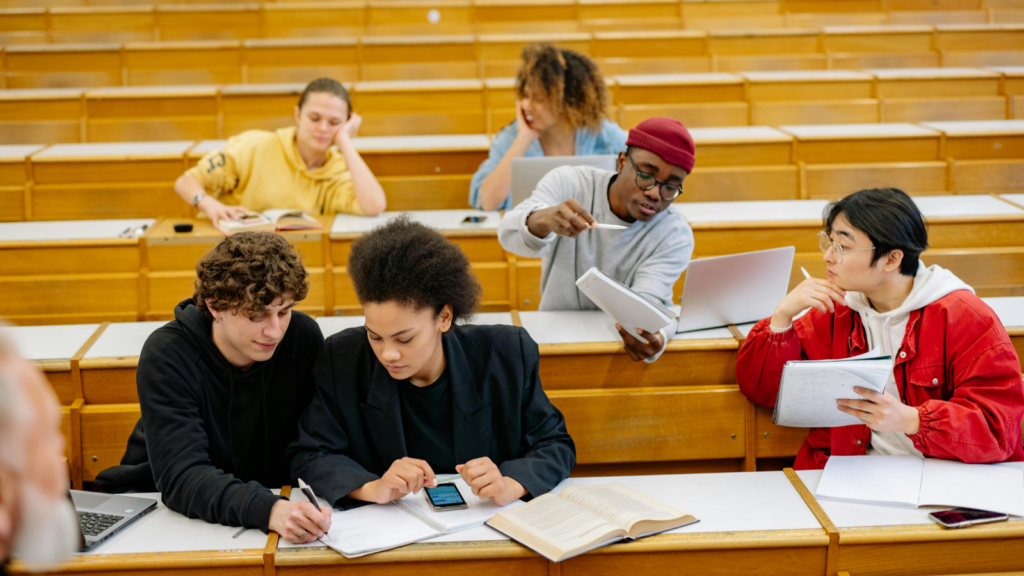
Picture this: a classroom buzzing with energy, but one student sits frozen, eyes darting, hands clenched. The math problem on the board isn’t the real challenge—managing big feelings is. If you’ve ever watched a student crumble under pressure or lash out over a small slight, you know why social emotional learning strategies matter. These aren’t just buzzwords. They’re the difference between a child who shuts down and one who bounces back, ready to try again.
What Are Social Emotional Learning Strategies?
Social emotional learning strategies help students recognize, understand, and manage their emotions. They teach kids how to build healthy relationships, make responsible choices, and handle setbacks. If you’re picturing group hugs and trust falls, think again. Real social emotional learning strategies are practical, research-backed, and woven into daily routines.
Why Social Emotional Learning Strategies Matter
Here’s the part nobody tells you: academic success often starts with emotional skills. A 2021 study from CASEL found that students who practiced social emotional learning strategies scored 11 percentile points higher on standardized tests. But the real magic? Fewer office referrals, less bullying, and more kids who actually like coming to school.
Who Needs Social Emotional Learning Strategies?
If you’re a teacher, parent, or counselor, you’ve seen kids struggle with more than just homework. Social emotional learning strategies aren’t just for students with big emotions or tough backgrounds. Every child—shy, outgoing, anxious, or confident—benefits from learning how to handle feelings and relationships. But let’s be honest: if you want a quick fix or a one-size-fits-all answer, this isn’t for you. Social emotional learning strategies take time, patience, and a willingness to get a little uncomfortable.
Core Social Emotional Learning Strategies
Let’s break it down. Here are the most effective social emotional learning strategies you can use right now:
- Emotion Check-Ins: Start the day with a quick feelings check. Ask students to rate their mood with a thumbs up, sideways, or down. This simple act builds self-awareness and trust.
- Mindful Breathing: Teach students to pause and take three slow breaths when they feel overwhelmed. It sounds basic, but it’s a game-changer for calming nerves.
- Restorative Circles: When conflict happens, gather students in a circle. Let everyone share their side, listen, and brainstorm solutions together. This builds empathy and problem-solving skills.
- Gratitude Journals: Have students jot down one thing they’re grateful for each day. Over time, this rewires the brain to focus on positives, not just problems.
- Role-Playing: Practice tricky social situations—like apologizing or asking for help—through short skits. Kids learn scripts for real life, not just theory.
Here’s why these social emotional learning strategies work: they’re simple, repeatable, and don’t require fancy materials. You can start with just a few minutes a day.
Real-Life Stories: When Social Emotional Learning Strategies Work
Let’s get real. I once taught a student named Marcus who’d explode at the smallest frustration. After weeks of emotion check-ins and mindful breathing, he started raising his hand instead of shouting. The first time he took a deep breath and said, “I’m frustrated, but I can try again,” I nearly cried. Social emotional learning strategies didn’t erase his struggles, but they gave him tools to handle them.
Another teacher shared how gratitude journals changed her classroom. Kids who used to complain about everything started noticing small joys—a new pencil, a sunny day, a friend’s smile. The mood shifted. Fewer arguments, more laughter.
Common Mistakes and Lessons Learned
Here’s what most people get wrong: they treat social emotional learning strategies like a checklist. “Did we do our feelings chart? Great, moving on.” But kids see through that. Authenticity matters. If you’re not willing to share your own mistakes or model self-regulation, students won’t buy in.
I’ve messed this up, too. Once, I tried to force a gratitude activity after a tough test. The kids rolled their eyes. Lesson learned: timing and tone matter. Social emotional learning strategies work best when they’re part of the culture, not a box to tick.
How to Start: Actionable Social Emotional Learning Strategies
Ready to try? Here are steps you can take today:
- Pick One Strategy: Don’t overwhelm yourself. Start with emotion check-ins or mindful breathing. Consistency beats variety.
- Model It: Share your own feelings. Say, “I’m nervous about this lesson, but I’ll take a breath and try.” Kids learn by watching you.
- Make It Routine: Build social emotional learning strategies into daily schedules. Five minutes at the start or end of class is enough.
- Celebrate Progress: Notice when students use these skills. A simple, “I saw you take a breath before answering. That’s awesome,” goes a long way.
- Reflect and Adjust: Ask students what’s working and what’s not. Be open to tweaking your approach.
If you’ve ever felt stuck or unsure, you’re not alone. Social emotional learning strategies aren’t magic, but they’re powerful. The key is to keep showing up, even when it feels awkward.
Unique Insights: What Most Guides Miss
Here’s the part nobody tells you: social emotional learning strategies help adults as much as kids. When you practice mindful breathing or gratitude, you become calmer and more present. Your classroom or home feels safer. Students pick up on your energy. If you’re stressed, they’re stressed. If you’re calm, they relax.
Another secret? Social emotional learning strategies don’t always look like “learning.” Sometimes, it’s a quiet moment after recess, a shared laugh, or a gentle reminder to try again. The best results come when you let go of perfection and focus on connection.
Next Steps: Building a Culture of Social Emotional Learning
Start small. Pick one or two social emotional learning strategies and stick with them. Share your own stories and struggles. Invite students to do the same. Over time, you’ll see more than just better behavior—you’ll see kids who trust themselves and each other.
If you’re ready to help students thrive, social emotional learning strategies are your secret weapon. Not every day will be easy, but every effort counts. The real win? Watching a student go from meltdown to resilience, one breath at a time.